Build the foundation first
Surface Preparation & Repair
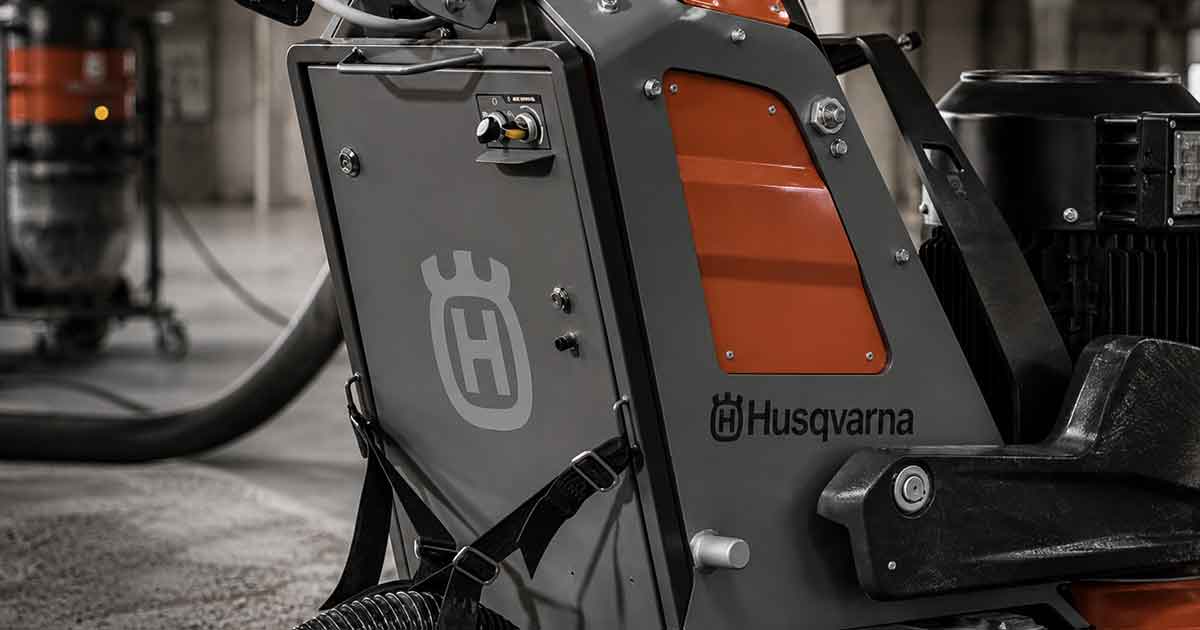
The finish only works when the slab is ready. This work includes cleaning, mechanical profiling, dust control, crack and joint repair, patching, and condition checks.
Field Careers in Arizona
Carefree Stone works on residential, commercial, pool-deck, and municipal surfaces. The work is hands-on: prepare, repair, mix, coat, texture, seal, and clean concrete in Arizona conditions.
It can be demanding work. We want people to understand the job before they apply, then have a clear path to become better at the trade.
Family business
Since 1982
Work mix
Residential + Commercial
Licensed contractor
ROC# 330428
Work you can learn
These are the service areas represented in the Carefree Stone knowledge base. Each link opens the customer-facing explanation of the work, so applicants can see the surface, system, and finished result before a conversation.
Build the foundation first
The finish only works when the slab is ready. This work includes cleaning, mechanical profiling, dust control, crack and joint repair, patching, and condition checks.
Layered floor systems
Learn how basecoats, flake broadcast, metallic design layers, and UV-stable topcoats are installed for homes, showrooms, and working spaces.
Operational flooring
Commercial work adds traffic, cleaning, safety, access, documentation, and shutdown-window requirements. The crew has to follow the plan and protect an active facility.
Outdoor, wet-area work
Exterior projects combine preparation, texture, color, drainage awareness, UV exposure, pool chemicals, and careful work around finished landscapes and property.
Finish and protect
Decorative work rewards patience and consistency: troweled overlays, microtoppings, stain variation, polished concrete, paver cleaning, and sealer application.
Before you apply
A finished floor or pool deck looks simple because the crew handled the difficult steps first. Expect physical, detail-heavy work, changing jobsite conditions, and the responsibility of leaving a clean, protected property behind.
See completed workGrinding, washing, vacuuming, masking, repairing cracks, filling joints, and checking whether the surface is ready for the next layer.
Standing, bending, kneeling, moving tools and materials, and repeating careful motions are normal parts of field installation.
Mix ratios, open time, texture, cure windows, and topcoat timing matter. Rushing one layer can affect the whole system.
Protect homes, businesses, pool equipment, landscaping, walkways, and active facilities while keeping the work area organized.
Arizona field safety
New and returning field workers need time to adjust to hot conditions. A serious crew plan includes accessible water, recovery in shade or a cool area, work-rest adjustments as heat rises, communication, and a clear way to report symptoms or unsafe conditions.
Read OSHA heat-planning guidanceHydration and a cooler place to recover should be easy to access, not something workers have to earn.
New or returning workers should build tolerance gradually instead of being expected to match a seasoned crew on day one.
The process includes grinding, coatings, and cleanup; the right protective equipment and controls are part of doing the work correctly.
Crew members need to be able to raise heat, safety, access, or quality concerns before a small problem becomes an injury or rework.
The process is the trade
The exact job changes, but the pattern repeats: diagnose the surface, prepare it, repair what needs repair, install the system, and protect the finished result.
Residential Garages, Showrooms, Light Industrial Bays
Backyard Pool Decks, Patios, Community Splash Pads
Entryways, Front Patios, Sinking Pool Surrounds
Modern Living Areas, Commercial Showrooms, Offices
Curbed Driveways, Walkways, Porches, Covered Patios
Make the path visible
These are the conversations a small field team should make clear: what someone learns first, what good work looks like, and what new responsibility is earned next. Actual openings, pay, and promotion criteria should be confirmed before anyone commits.
Learn safe setup, jobsite protection, material handling, cleanup, and the sequence of a real installation.
Build repeatable skill in preparation, repairs, mixing, application, texture, broadcast, and finish work.
Own quality checks, daily sequencing, crew communication, and the details that keep a project moving.
Guide people, scope the work, coordinate access, and protect the customer experience from start to finish.
One page. One application path.
Openings change with the work. Send your name, phone number, city, relevant experience, the service work that interests you, and your availability. A résumé is welcome but not required for the first conversation.
Before you commit, we should be clear about the active role, schedule, pay, physical demands, training, and next steps.
Before the conversation
Both. The work includes garages, showrooms, warehouses, kitchens, healthcare spaces, pool decks, patios, driveways, and other exterior surfaces. The conditions change by project.
Depending on the role, you may help with surface preparation, dust control, repairs, mixing, rolling, squeegeeing, flake or aggregate broadcast, troweling, texture, sealing, masking, cleanup, and jobsite protection.
Tell us what you have done before. Experience with construction, painting, flooring, concrete, landscaping, or other hands-on work can help, but each opening should state its actual requirements and what training is available.
Ask about the job's heat plan before the first day. Water, shade, rest, gradual acclimatization, communication, and emergency response should be part of the work plan—not left to guesswork.
Want to understand the company and the finished work before you reach out?
Field Careers at Carefree Stone
Tell us the kind of field work you are interested in, what experience you bring, and when you are available. We will confirm whether there is an active opening and explain the actual role before you commit.