Concrete microtopping Phoenix & Scottsdale
Concrete, in a finer layer.
We specialize in thin polymer-cement finishes for suitable concrete. Our team prepares the slab, then hand-trowels a seamless surface with the tone and movement chosen for your space.
Phoenix Valley · Scottsdale · Arizona
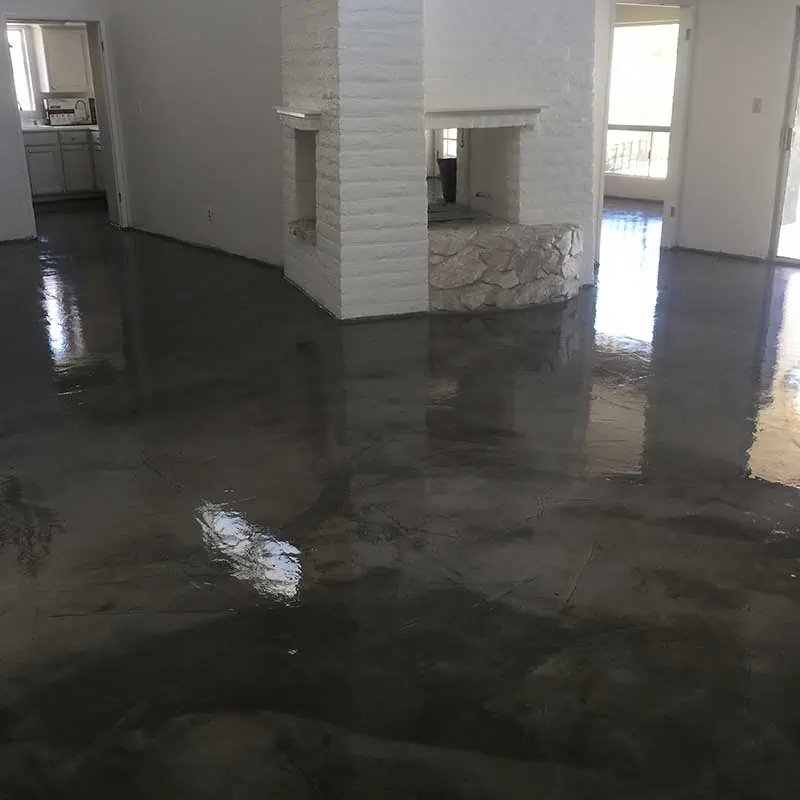 A continuous mineral surface
The Microtopping Studio
A quieter kind of character.
One continuous plane can shift the whole room. Explore a finished Carefree Stone surface, then use the finish studies as a starting point for color and trowel movement.
Finish study · illustrative directions
Choose the tone.
Then shape the movement.
Illustrative finish directions, not project photos. Final color and trowel movement are reviewed against your concrete and selected system.
Is microtopping right for your space?
Our Microtopping Studio checks the slab condition, exposure, and how the space will be used before recommending a thin finish.
A good fit for
- Interior floors, accent walls, and commercial offices wanting a raw-concrete look
- Remodels where a full structural tear-out or new pour isn't feasible
- Stained, discolored, or dated slabs that need a fresh, seamless surface
- Feather-edge transitions where thickness has to stay minimal
Consider another system for
- Garage floors that need hot-tire and heavy-traffic resistance — see garage epoxy
- Slabs with active structural movement or unresolved moisture pressure
- Exterior surfaces exposed to constant UV, irrigation, or pool chemicals
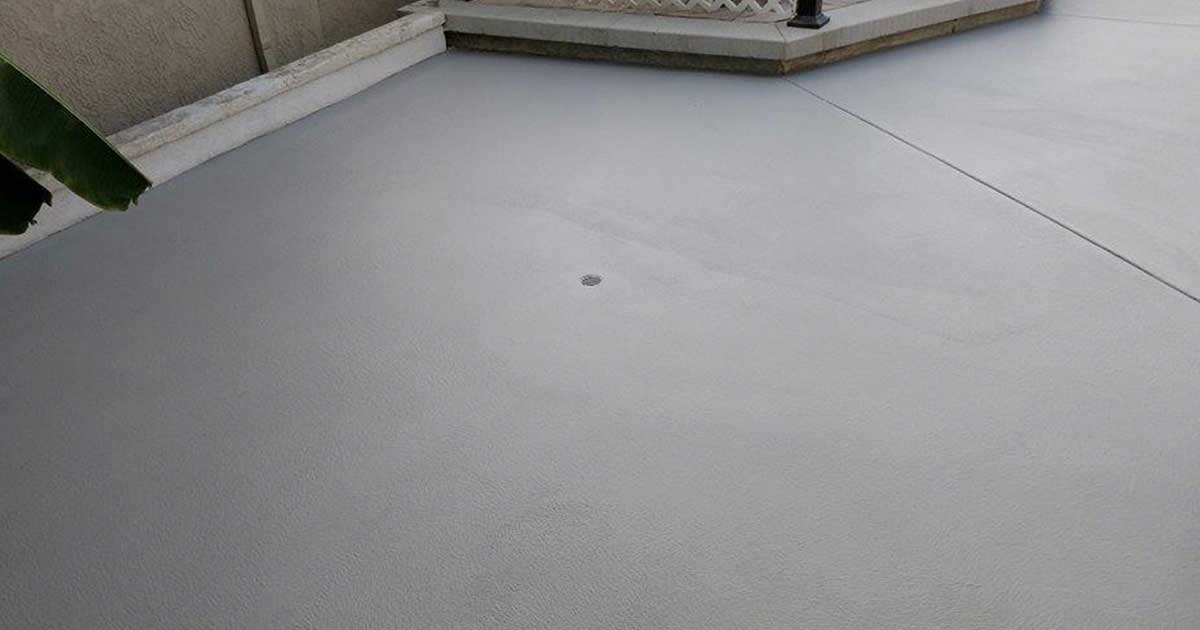
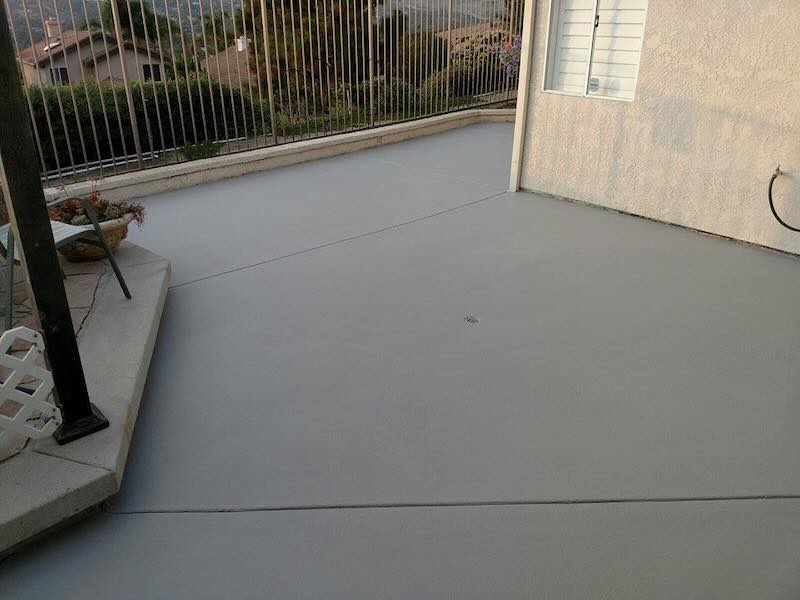
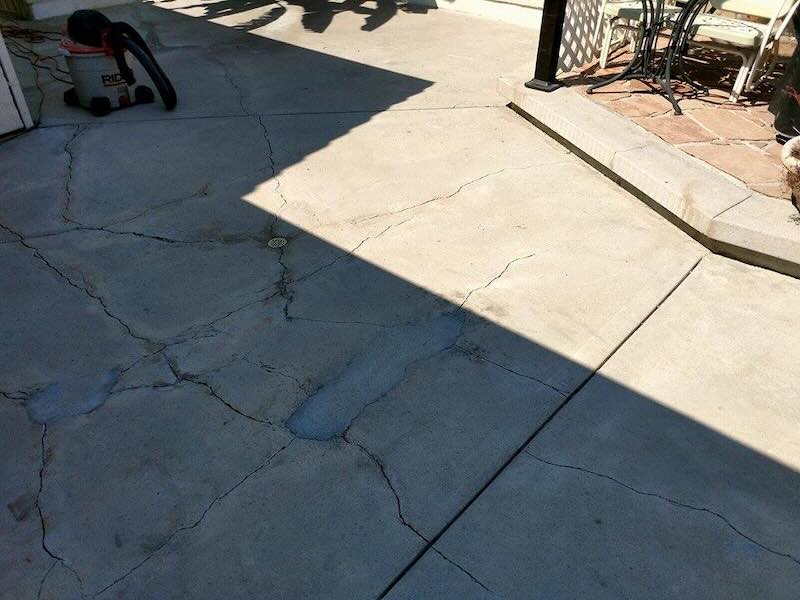
From cracked concrete to a continuous finish.
Compare the original cracked patio surface with its completed microtopping finish. Drag the divider to see the change in one Carefree Stone project.
 BeforeAfter
What customers say about Carefree Stone
"We love our garage floor! The workmanship was excellent with clear communication and follow through. I highly recommend Carefree Stone."
"We have had our Kool Deck resurfaced six times in 14 years. Each time, the company made it worse. Puddles formed when..."
Why preparation matters with a thin finish
Delamination from skipped primer
Microtopping is only as strong as its bond to the slab. Without the correct bonding primer and substrate prep to a CSP 1 profile, the ultra-thin overlay can lift at the edges over time.
Cracks and old coatings left in place
Existing cracks or failing coatings that are not ground down and patched first will telegraph back through the new surface once the microtopping cures.
No protective sealer
Because the finished layer is so thin, it depends on a matte or satin urethane topcoat for wear resistance. Skipping the sealer step leaves the surface vulnerable to scuffing and staining.
Microtopping, layer by layer
Five stages from sound concrete to a finished surface.
Our studio follows five deliberate stages, from checking the existing slab to choosing the protective sheen.
Stage 01
Review the slab
Check the concrete condition, existing finish, and intended use before selecting the system.
Stage 02
Repair & prepare
Grinding down old coatings, patching cracks, and opening concrete pores to a CSP 1 standard.
Stage 03
Prime for bond
Applying a specialized bonding primer to prevent microtopping delamination and ensure long-term wear.
Stage 04
Trowel the coats
Manually troweling two coats of ultra-fine polymer concrete to create a custom smooth or movement-rich texture.
Stage 05
Sand & protect
Fine-sanding the surface to expose subtle trowel movements, sealed with a matte or satin protective urethane.
The concrete condition and intended use guide the final preparation, finish, and sealer selection.
Plan your microtopping finish.
We'll review the decisions that affect your project. The written proposal controls the final scope.
Slab condition
The existing concrete, cracks, old coating, and moisture concerns shape the prep plan.
Space & exposure
The room, expected use, and exposure help confirm whether a thin finish is a fit.
Color & movement
Integral color or top stain is paired with a smooth or more expressive trowel finish.
Protective sheen
Choose between a matte or satin urethane after reviewing the intended look.
What we'll review for your estimate
We'll review the slab condition, old coatings, the space's exposure and use, finish direction, and protective sheen.
- Square footage and number of coats required
- Substrate condition — cracks, old coatings, and prep needed
- Integral color or top-stain selection
- Custom texture or trowel-movement detailing
- Sealer type and sheen — matte or satin urethane
Microtopping Studio questions
Learn about slab preparation, color and texture choices, and where a thin microtopping finish works best.
What is concrete microtopping used for?
An ultra-thin polymer cement overlay troweled over existing concrete to create a fresh, minimalist surface — useful when a slab is stained or dated but a full tear-out isn't feasible.
Can microtopping go over cracks or old coatings?
No — cracks and failing coatings need to be ground down and patched first, or they'll telegraph back through the new surface once the microtopping cures.
Will microtopping hold up on a garage floor?
Microtopping is built for interior floors, accent walls, and light-use spaces. Garages needing hot-tire and heavy-traffic resistance need a garage epoxy system instead.
How thin is a microtopping layer?
It's applied to a feather edge in two troweled coats, thin enough to preserve existing thresholds and transitions — which is also why substrate prep and bonding primer matter so much for it to hold.
Can microtopping be colored?
Yes — it can be integrally colored or top-stained, then sealed with a matte or satin protective urethane.